Storms and Shifting Soil on Austin Steel Gates

Nothing about a gate that hangs level in March says it will drag the pavement by September. The running record steel gates austin auto stem holds shows that spring storms and a season of dry clay do most of the damage to a steel gate in Austin, TX, and they do it quietly. The frame is usually fine. The ground it stands on is what moves.
Wind on a solid panel

A picket gate lets the wind pass between the bars, but a solid steel panel acts like a sail. A storm gust pushes the whole leaf against its hinges and the latch, and the load travels down into the posts. A gate near the open ground west of Austin, toward the edge of the Texas Hill Country, sees more wind than one tucked between houses in Clarksville or Tarrytown.
Clay that swells and shrinks
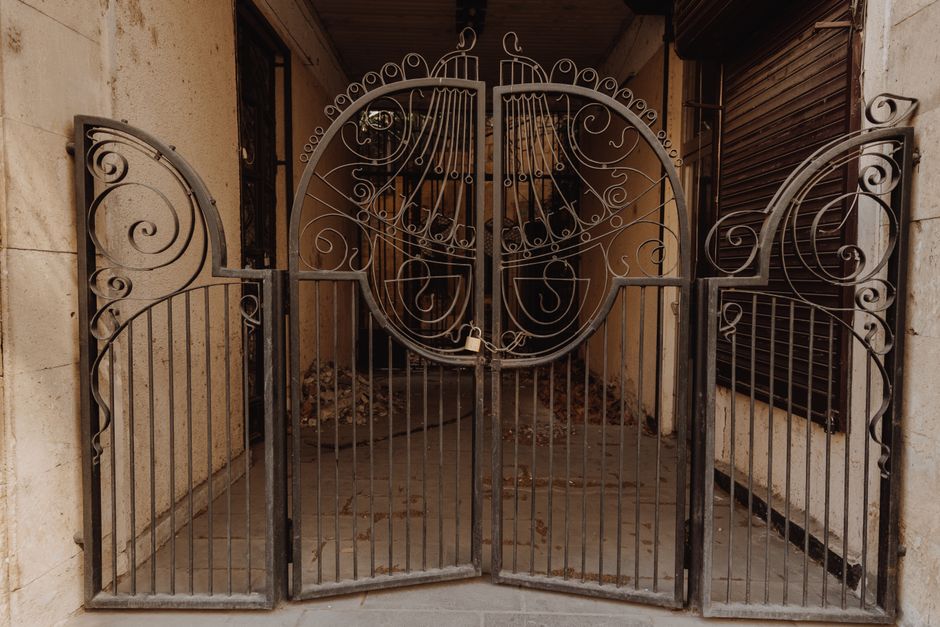
Much of the soil around Travis County holds clay that swells when wet and shrinks when dry. A post footing in that ground rises and falls with the seasons, and the leaning post carries the gate with it. The Balcones Fault runs through the area, and the soils on either side of it behave differently, so a gate on one block can hold level while its neighbor drifts.
Footings that tolerate movement
A deeper, narrower footing goes below the layer that swells most. A footing flared at the top catches the heave and lifts the post. Posts should be plumbed with a level after the concrete cures, and a post set in a wet spring behaves differently than one set in a dry August.
Adjustment built into the hardware
Hinges with an adjustable pin let the leaf be raised or lowered after the ground settles. A latch with a slotted strike takes up a small shift without binding. A slide gate needs a track set on a footing that does not heave, and a loop detector or photo eye needs to stay aligned with the leaf as the posts move.
Choosing work that holds up
Ask whether the frame has a cross brace, how deep the posts go, and whether the hinges can be adjusted. A gate near Mount Bonnell or on a hillside in Bouldin Creek has different footing needs than one on flat ground near Mueller. The right build for each lot comes from the soil and wind that site actually sees, not from a catalog.